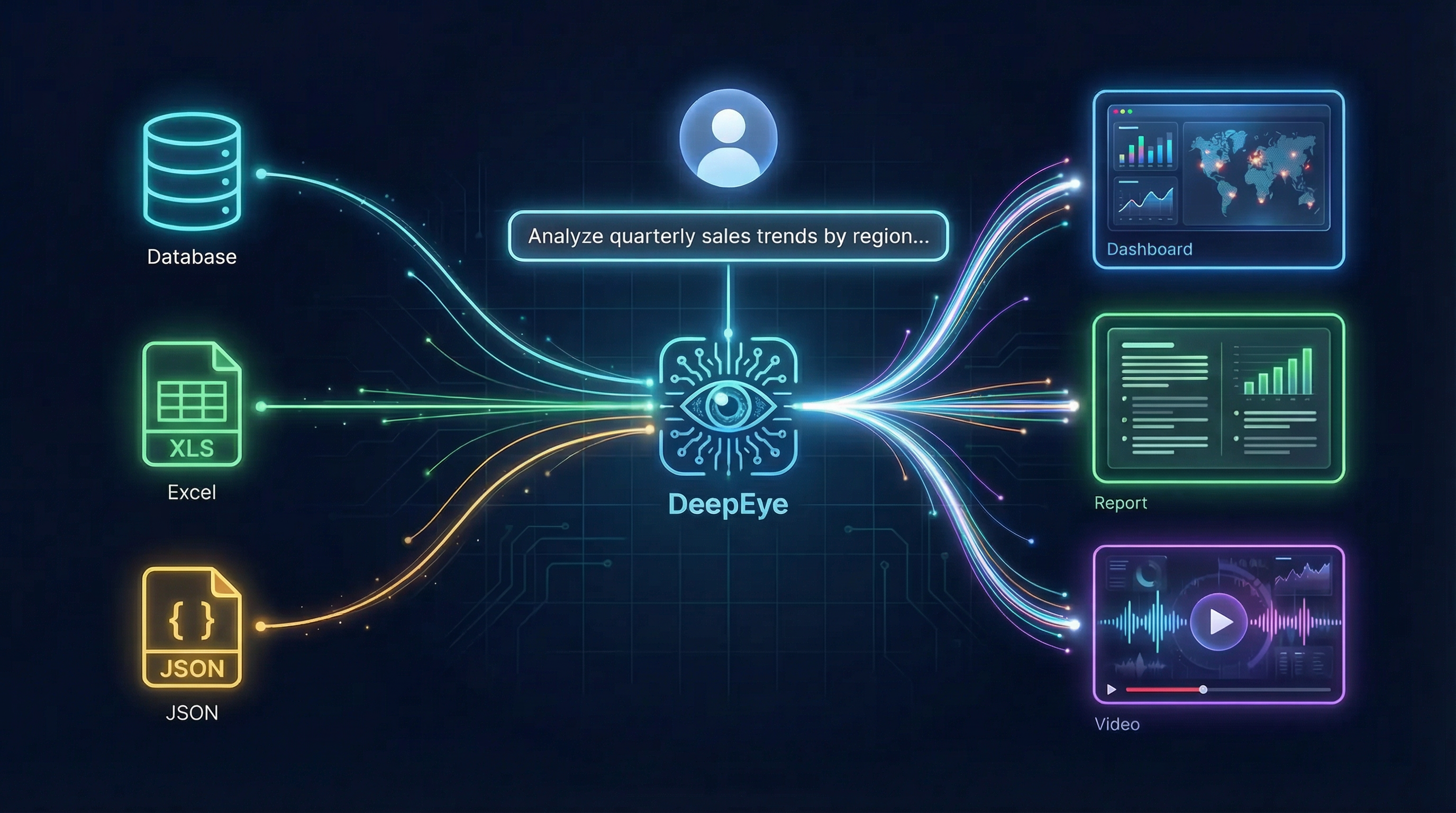
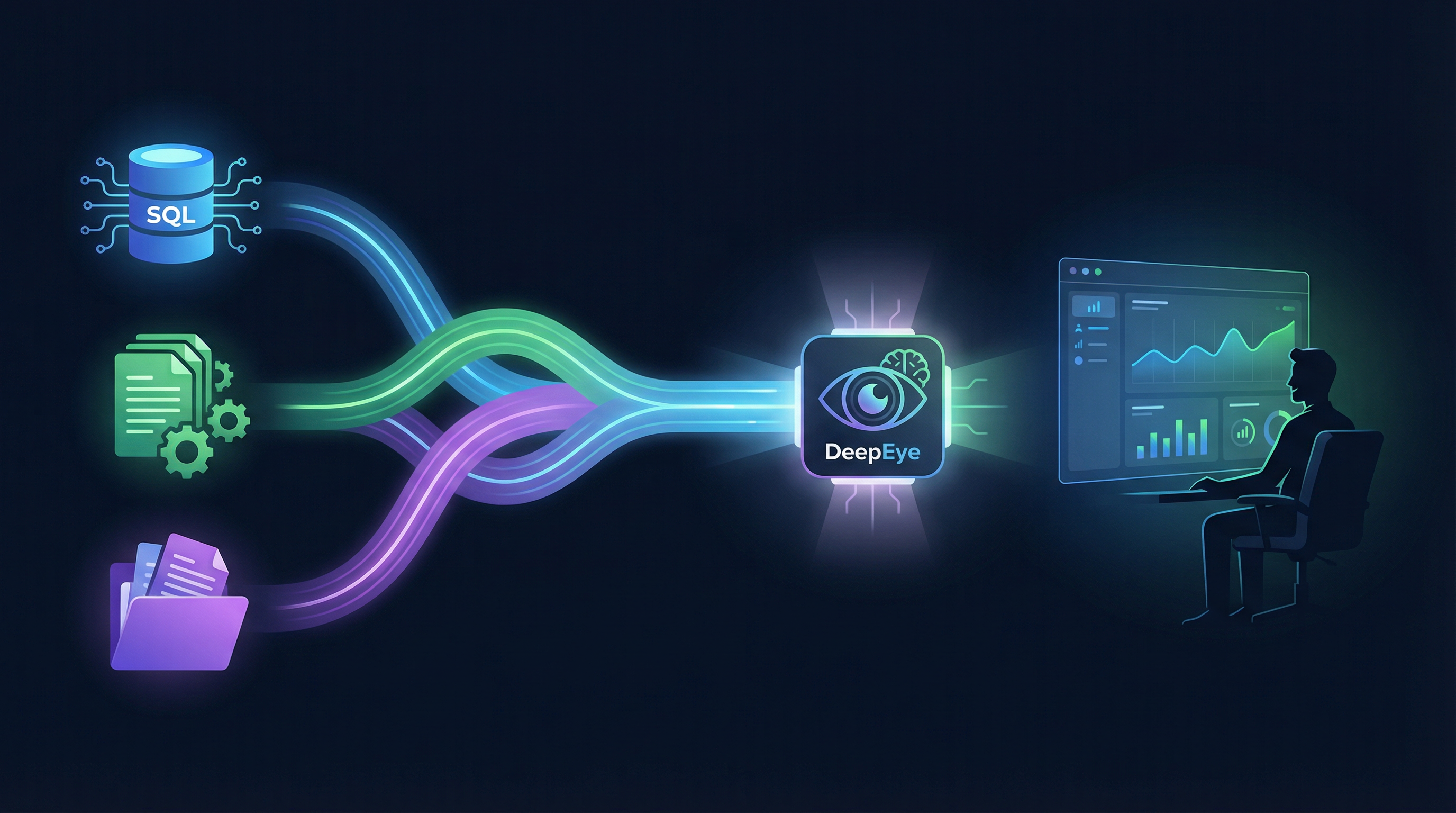
A production-ready data agent system with workflow-centric architecture. One question, connect your data sources, and DeepEye orchestrates complex workflows to generate Data Videos, Dashboards, and Analytical Reports.
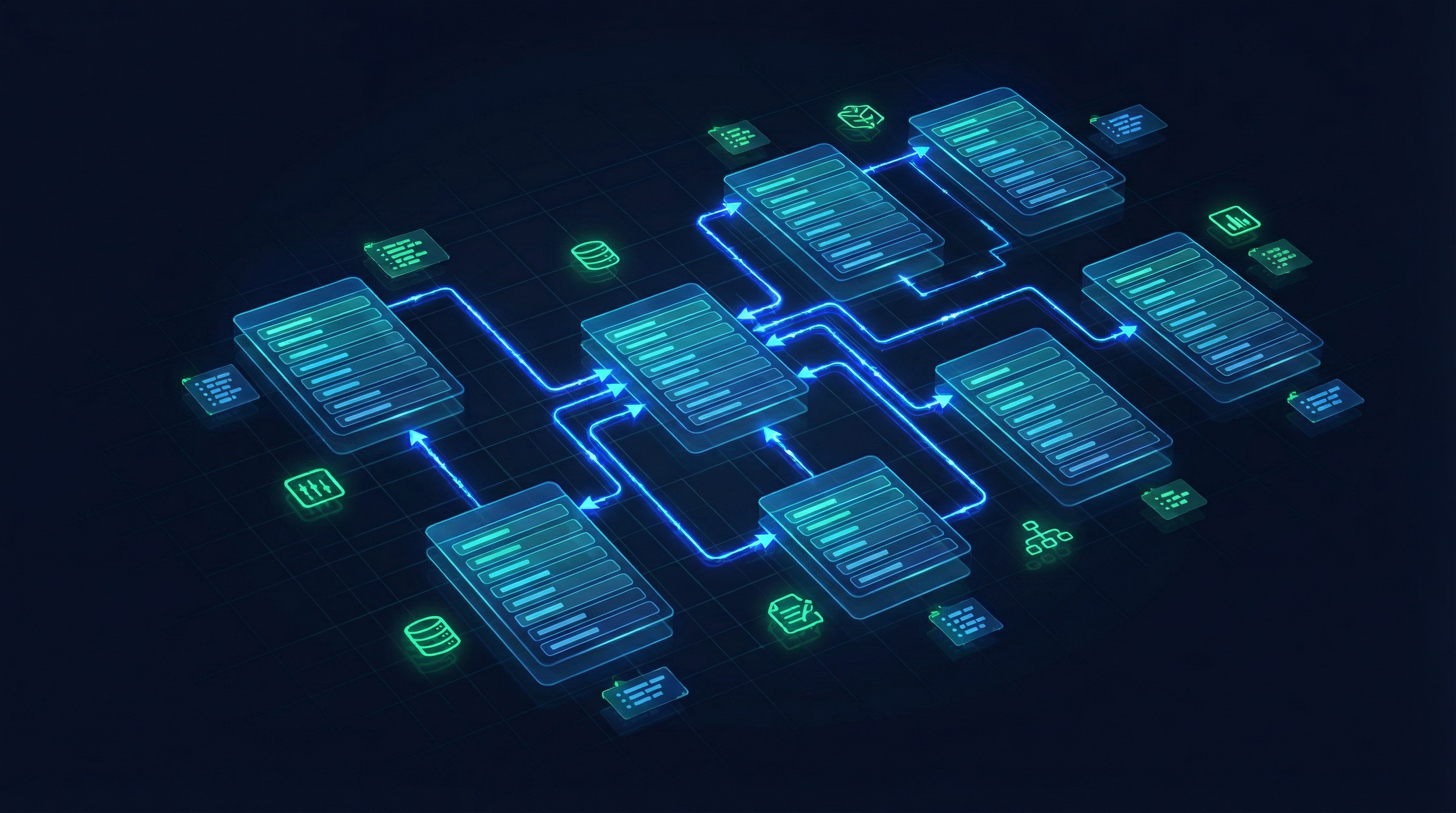
In real organizations, data lives in databases, Excel files, and internal systems — but most tools still treat these sources separately. People want AI that is not just powerful, but trustworthy, transparent, and auditable.
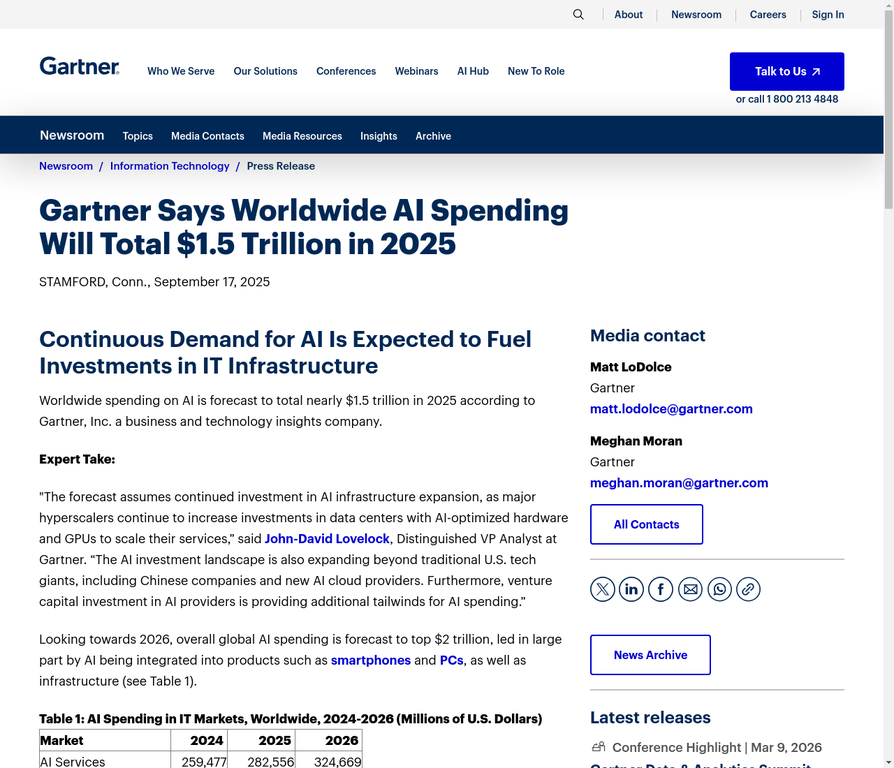
AI Application Software is forecast to grow from $83B to $270B by 2026 — a 3× expansion. The intelligent data analysis market is entering hypergrowth.
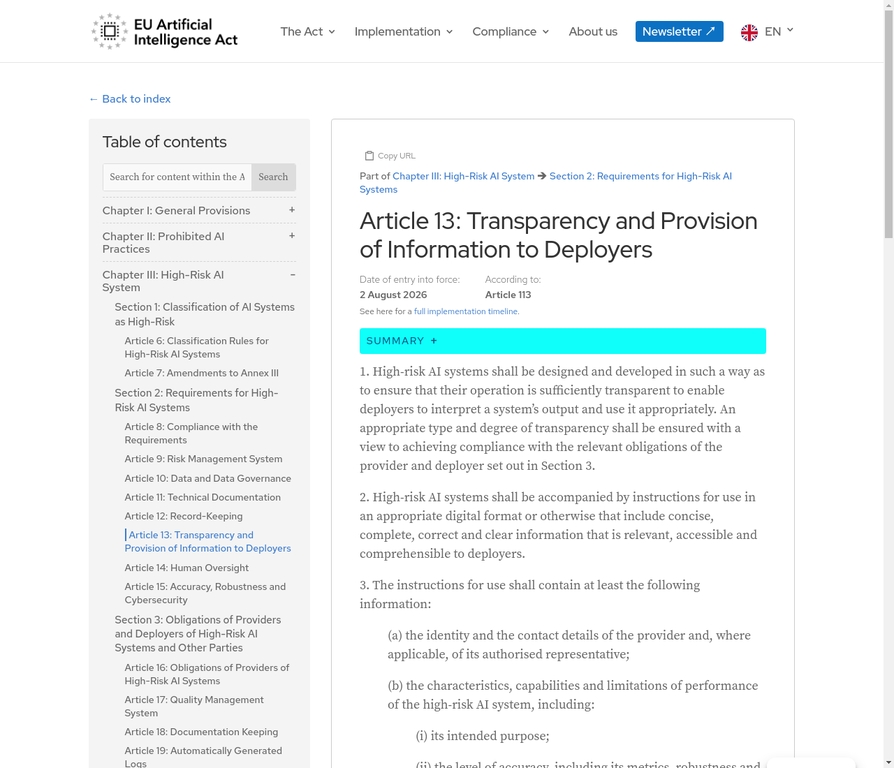
Read the full report ↗Article 13 mandates AI systems be "sufficiently transparent." Black-box AI is no longer compliant — DeepEye's workflow engine meets this requirement.
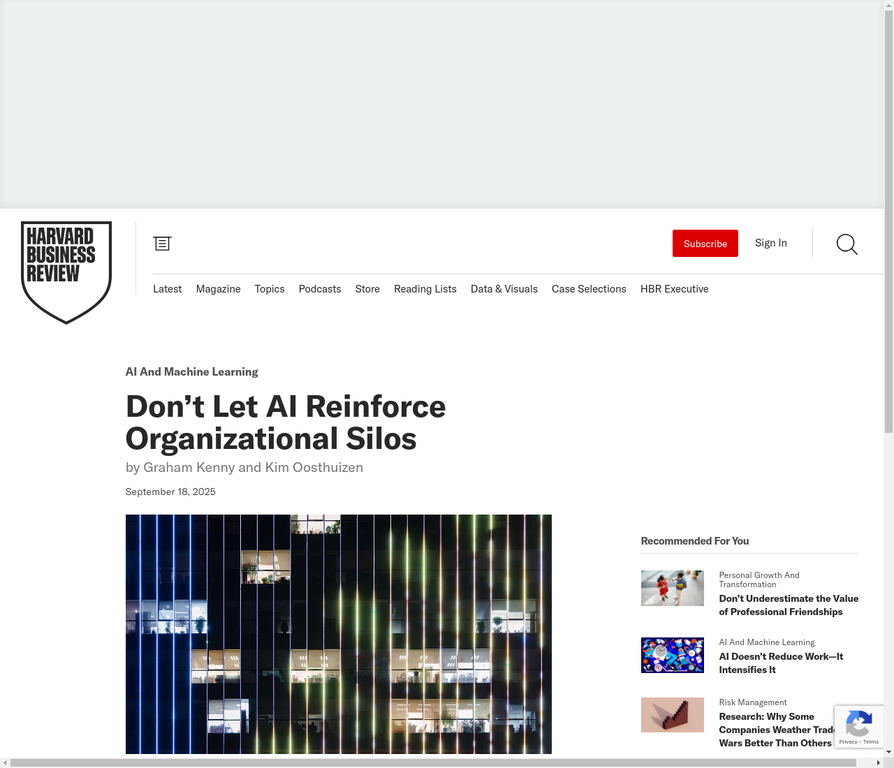
Read Article 13 ↗Current AI tools worsen data silos: each department deploys its own AI. DeepEye's unified orchestration breaks down these walls enterprise-wide.
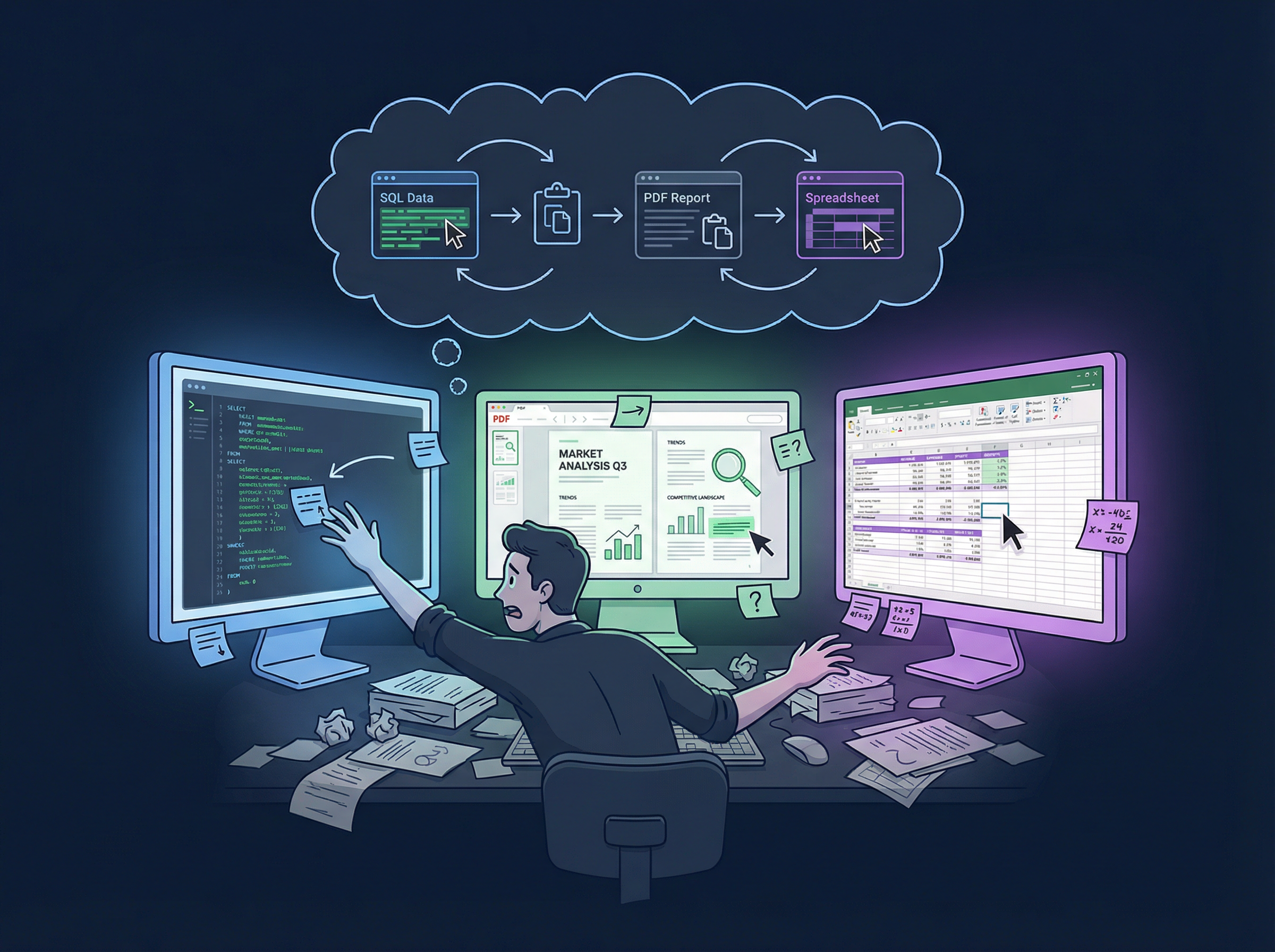
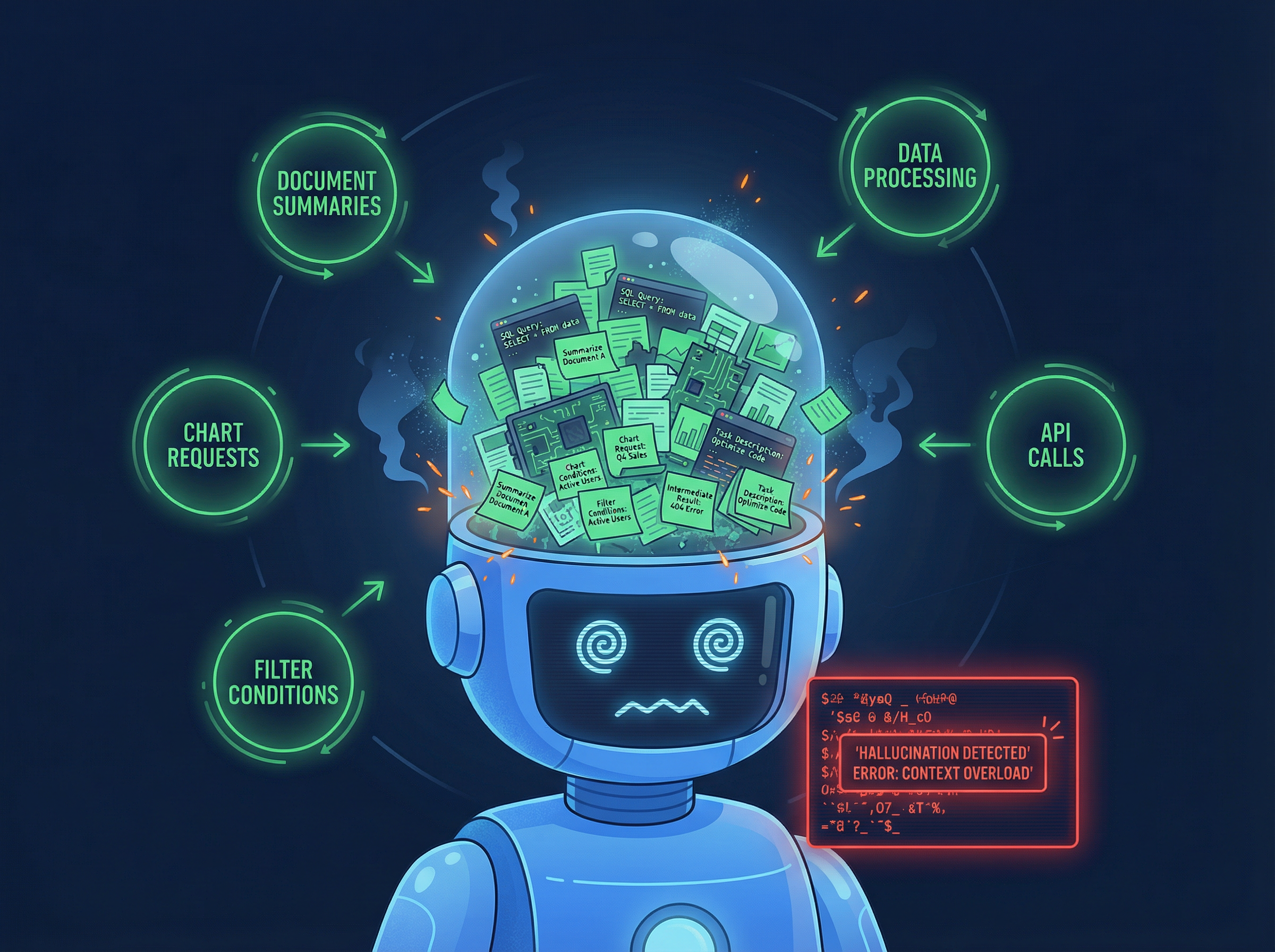
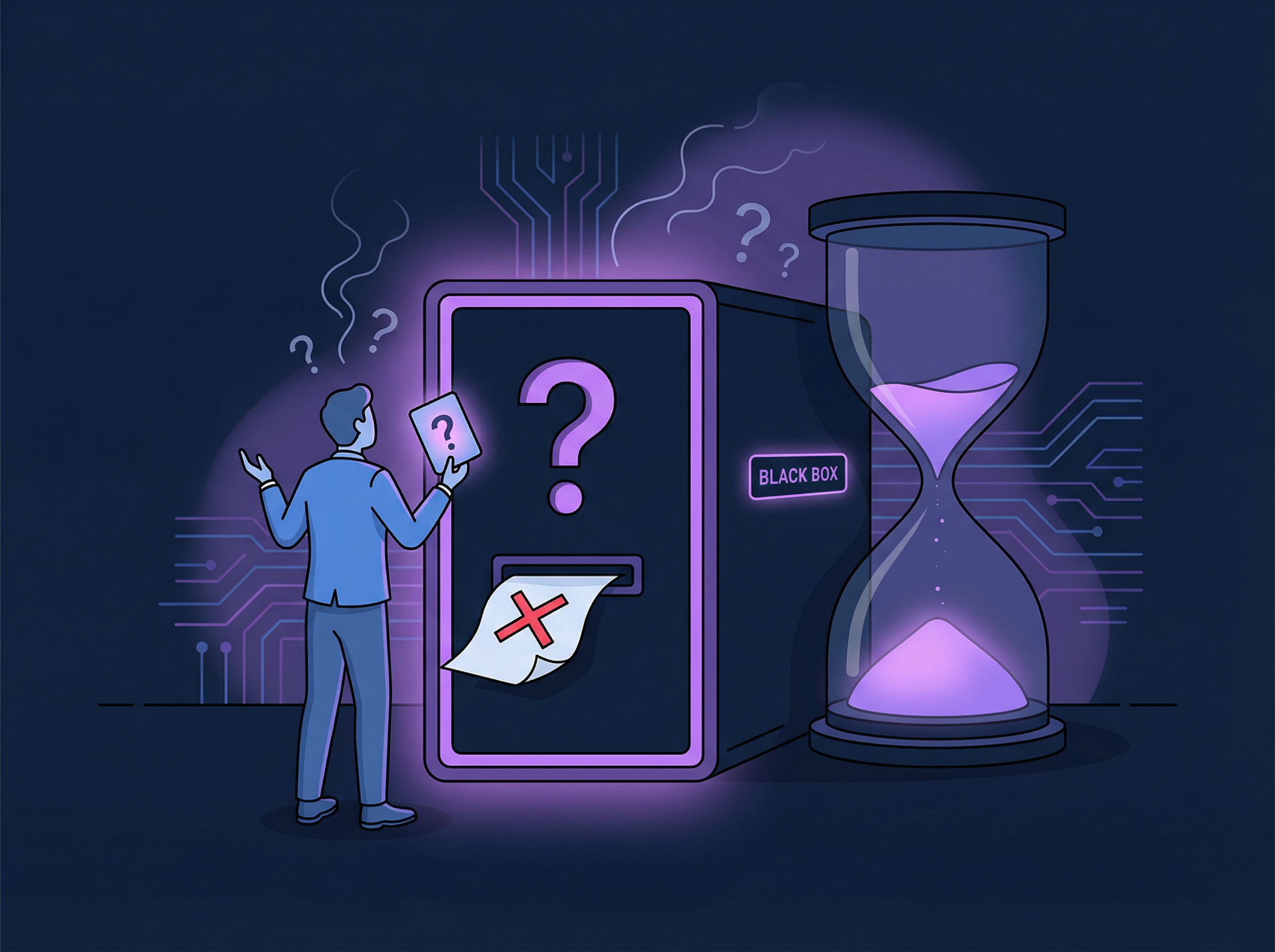
Read the article ↗There are three big problems. Data is fragmented across formats. Complex tasks overwhelm single-agent systems. And many AI systems are still black boxes — users cannot clearly see or control the process.
SQL, RAG, and spreadsheet tools exist separately. No single tool orchestrates all three — analysts must manually bridge the gaps.
Single-agent systems overload one context window. As complexity grows, models hallucinate and forget constraints, producing unreliable results.
AI agents are opaque: no plan inspection, no step validation. Sequential execution is slow and untrustworthy. You can't understand why results are wrong.
See how one question becomes a complete workflow — and turns into three professional outputs automatically.
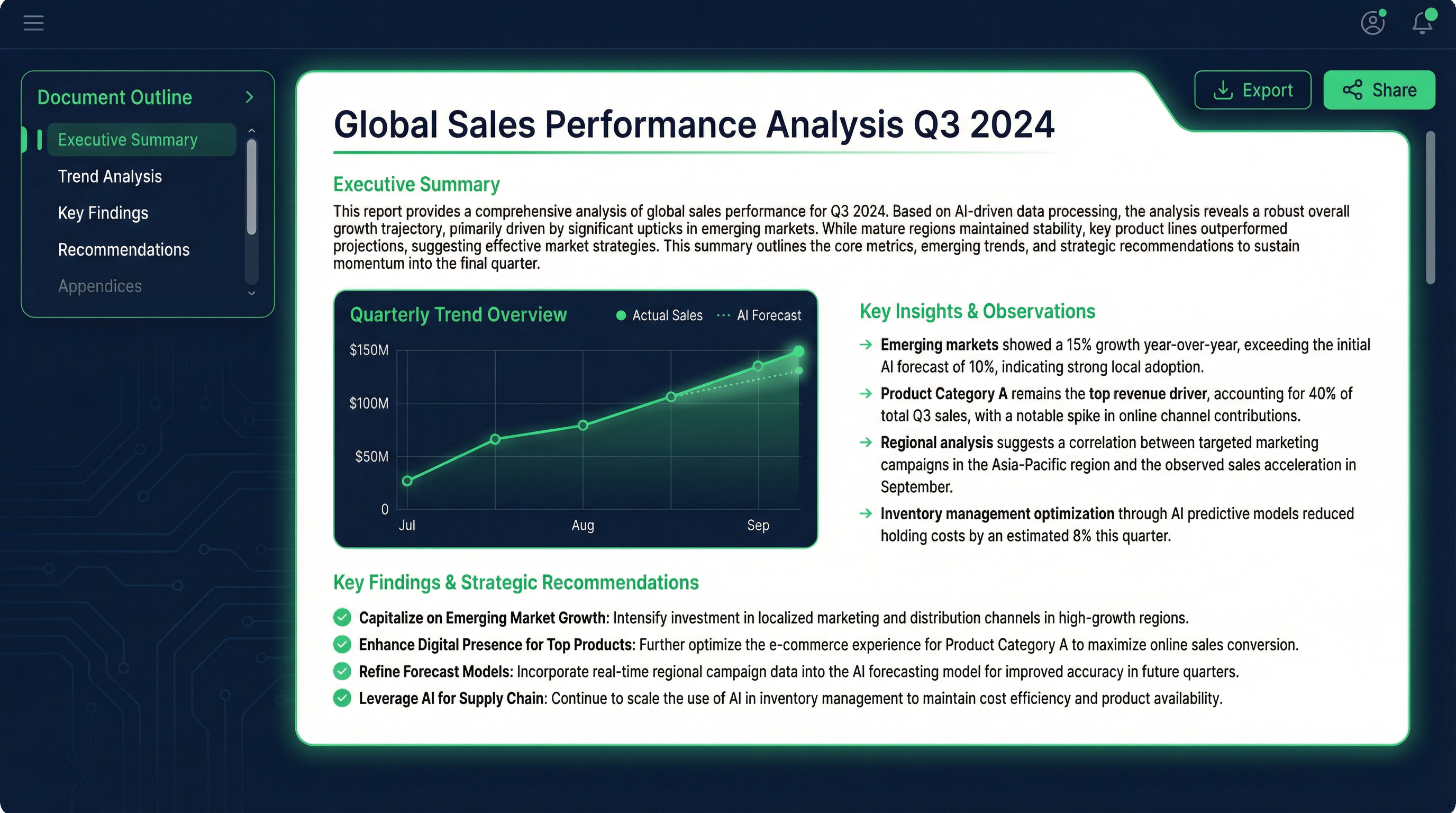
Executive summary, key findings, and trend analysis.
Not just formatted data — real written intelligence.
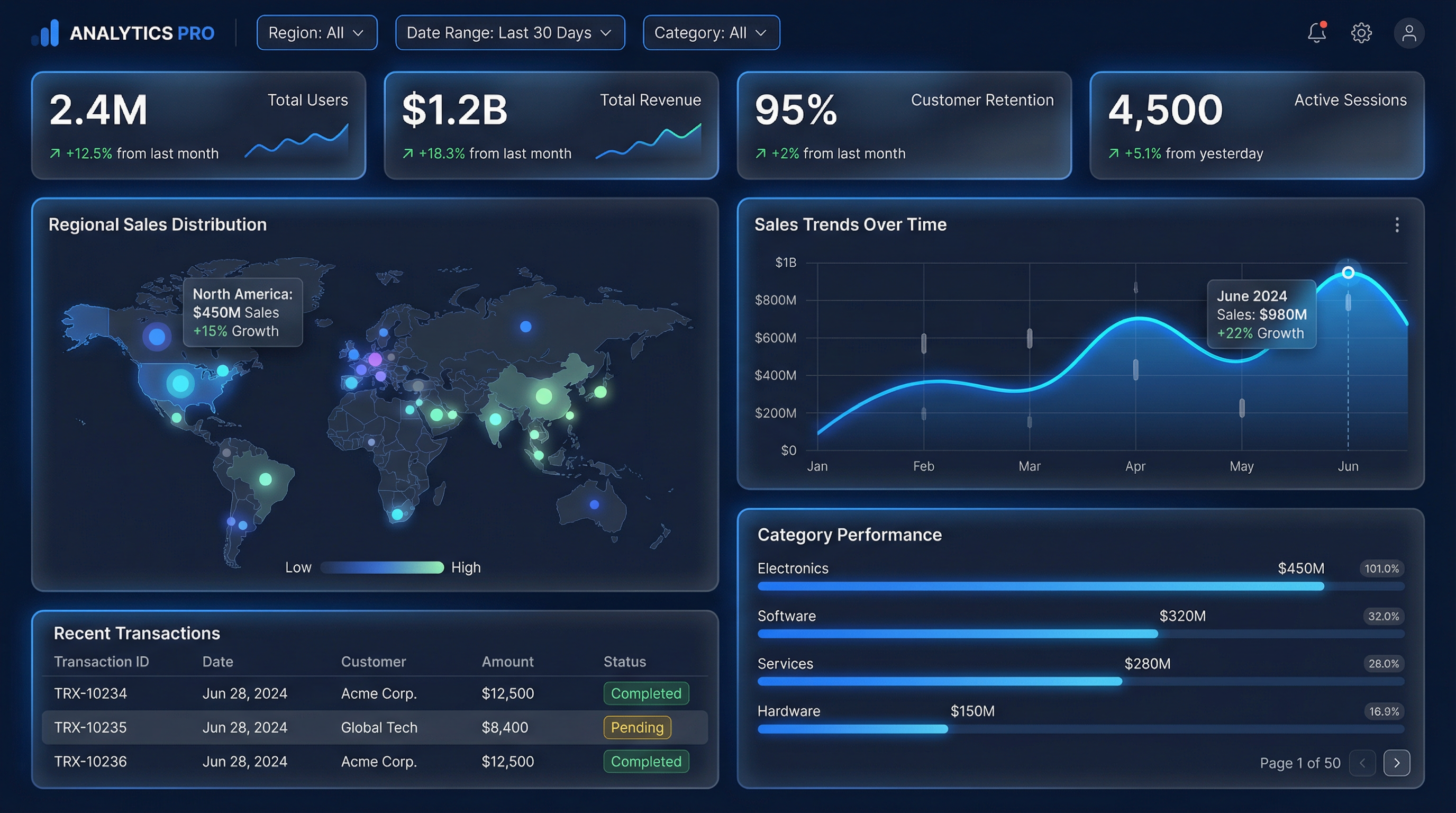
Filter, drill down, and explore the data directly.
No analyst needed — DeepEye generates it automatically.
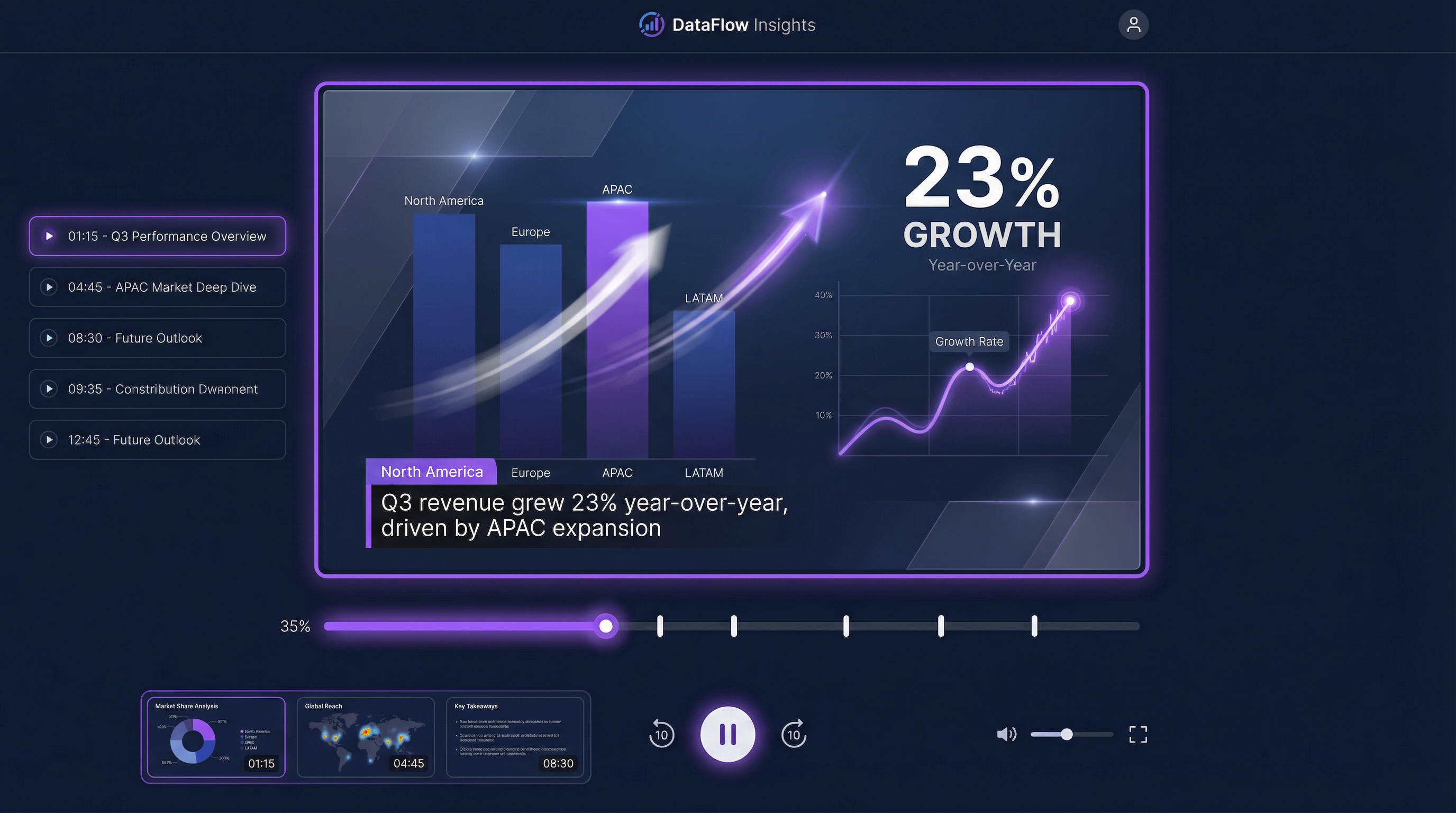
Animated charts, narration, and subtitles — automatically.
One of our most distinctive features. Insights become easy to share.
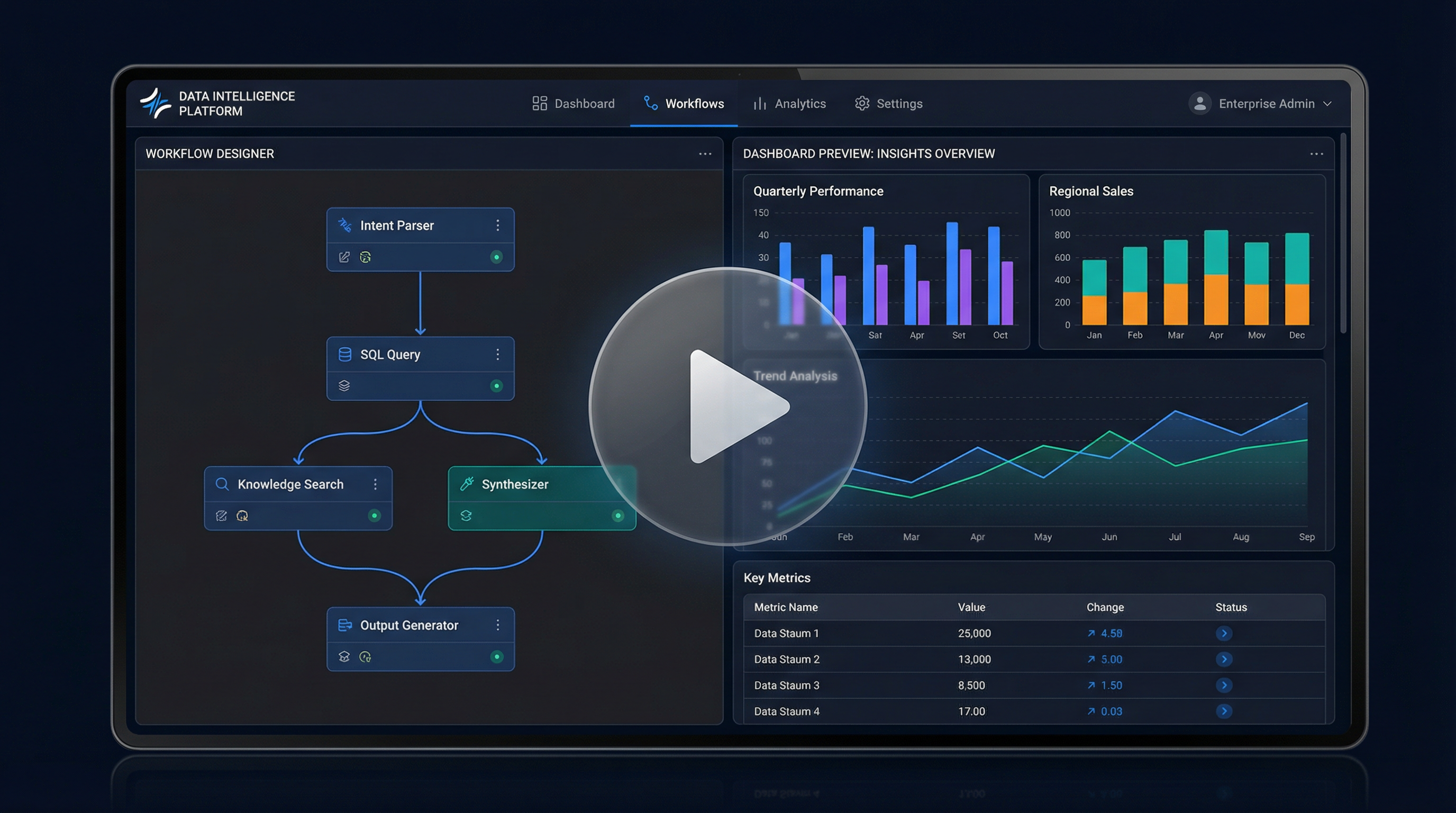
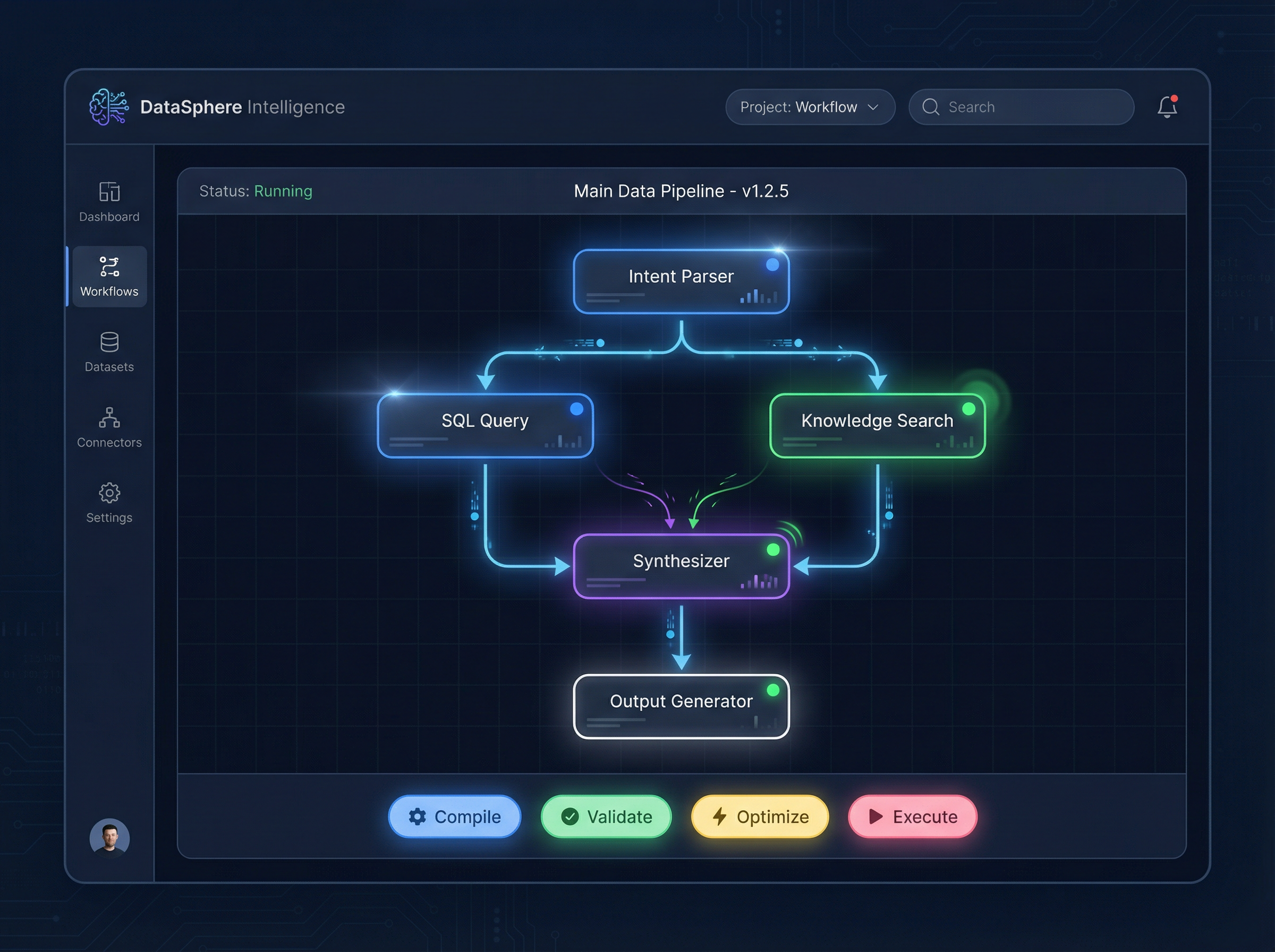
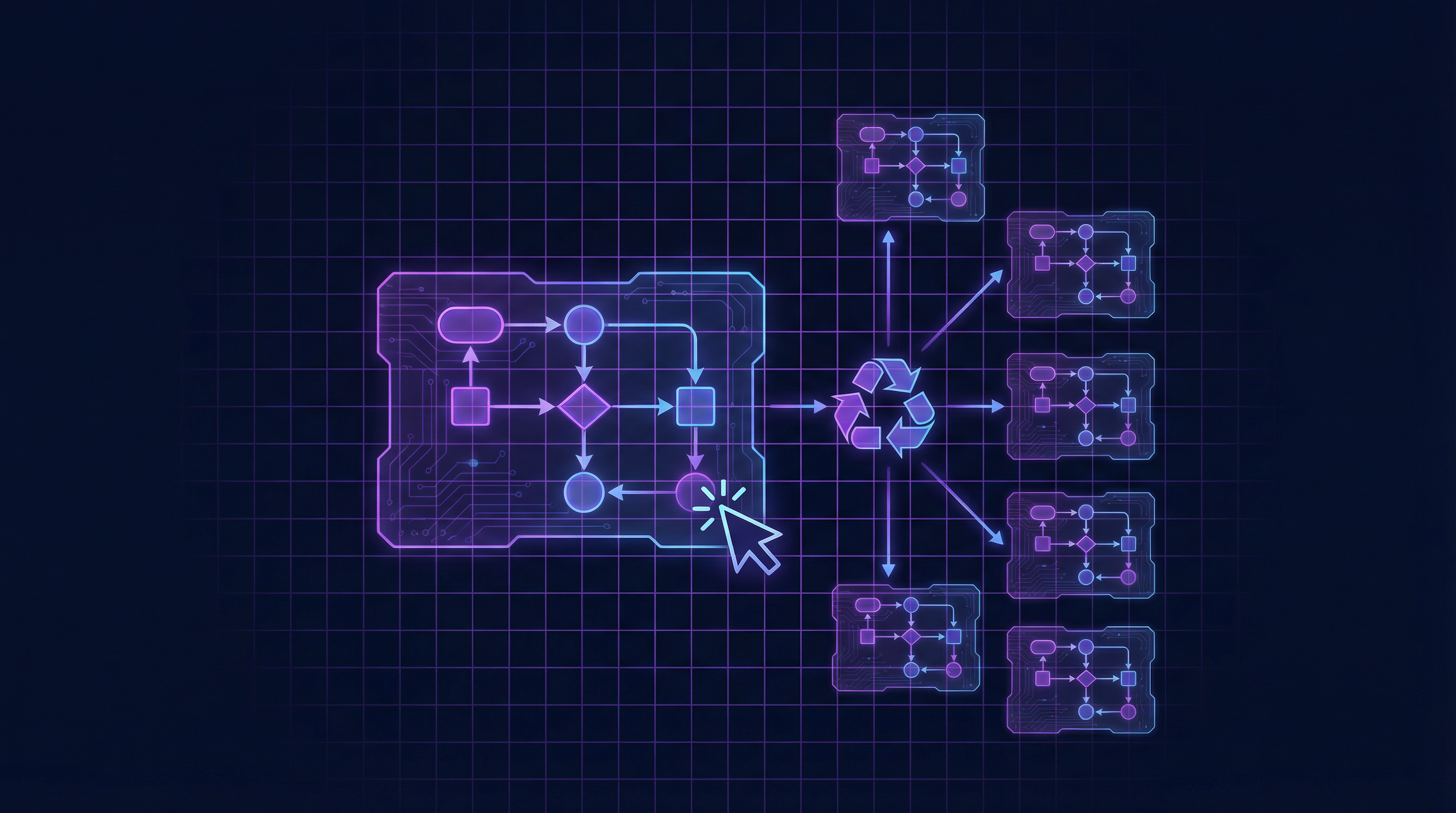
The user types a question and connects data sources. DeepEye plans, validates, and executes — transparently, step by step.
@ — databases, Excel files, or JSON data.DeepEye introduces three key innovations from our SIGMOD 2026 paper, each addressing a fundamental limitation at the systems level.
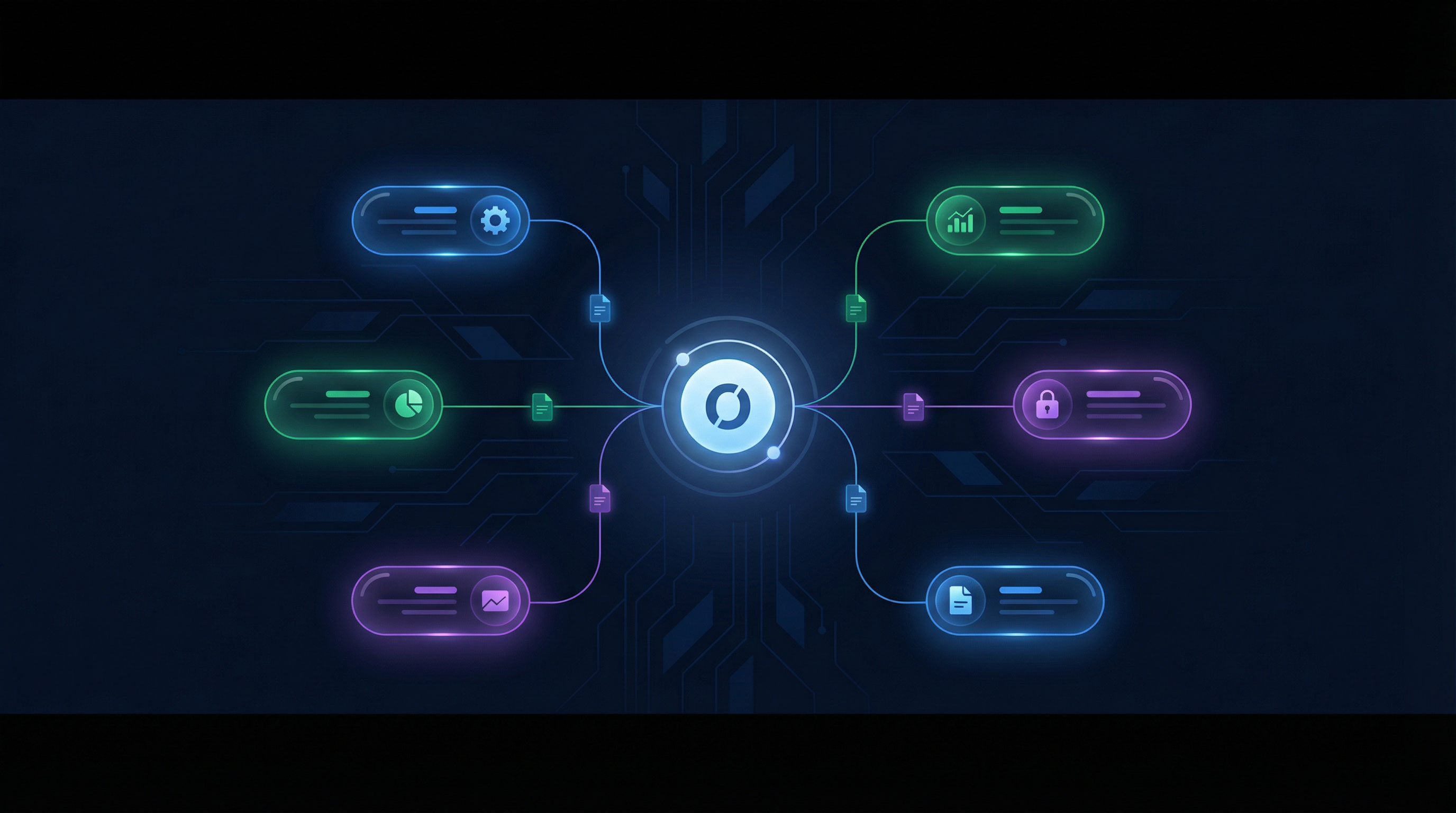
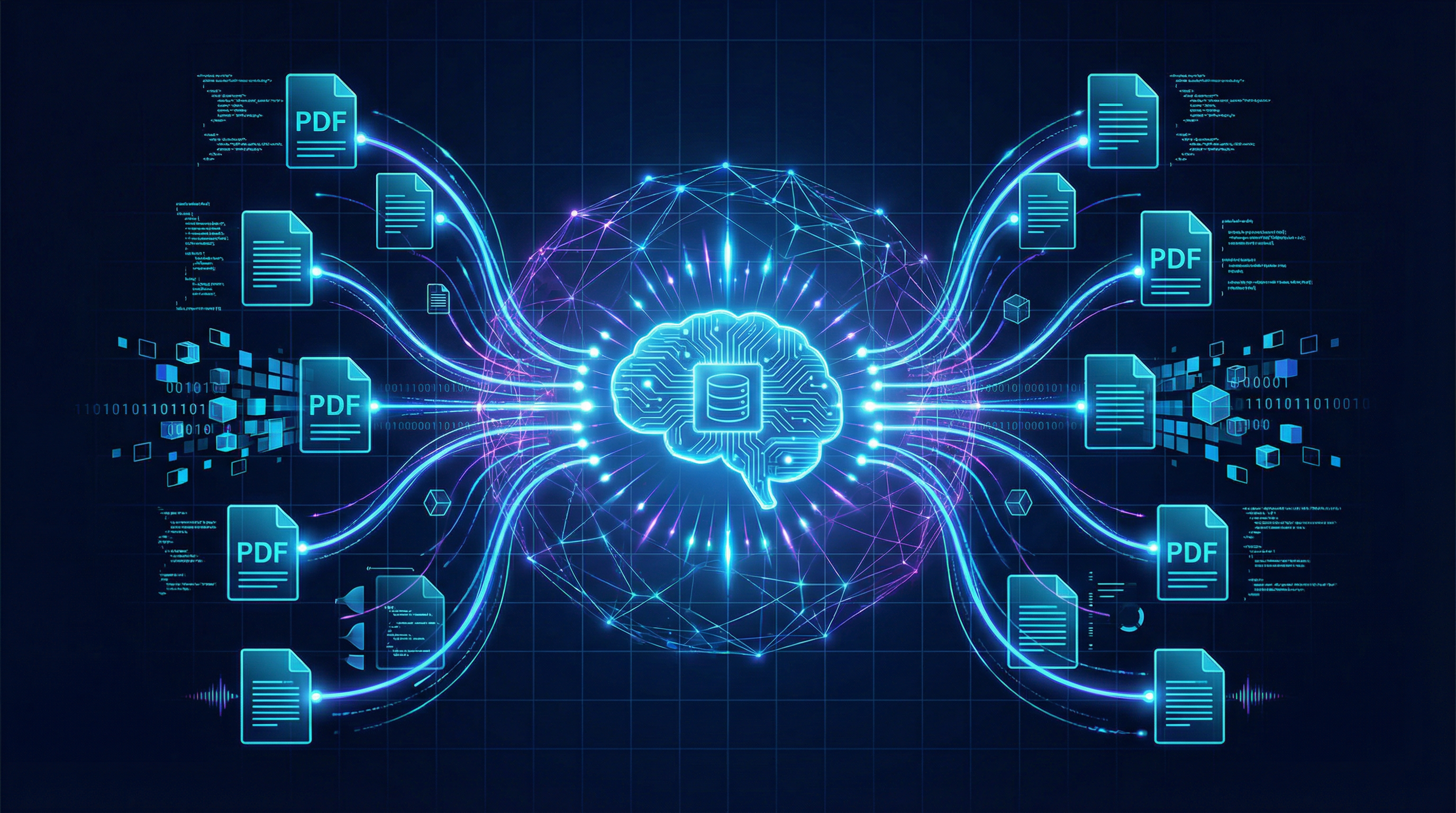
A formal Unified Node Protocol N = ⟨D, I, O, C, Φ⟩ bridges heterogeneous components (AgentNodes/ToolNodes), enabling seamless joint analysis of databases, Excel, JSON, and Knowledge Bases.
A Memory-Augmented Planner with dual-memory architecture (Working Memory + Knowledge Base) decomposes intents into context-isolated sub-agents, with retrieval-augmented planning and runtime self-correction.
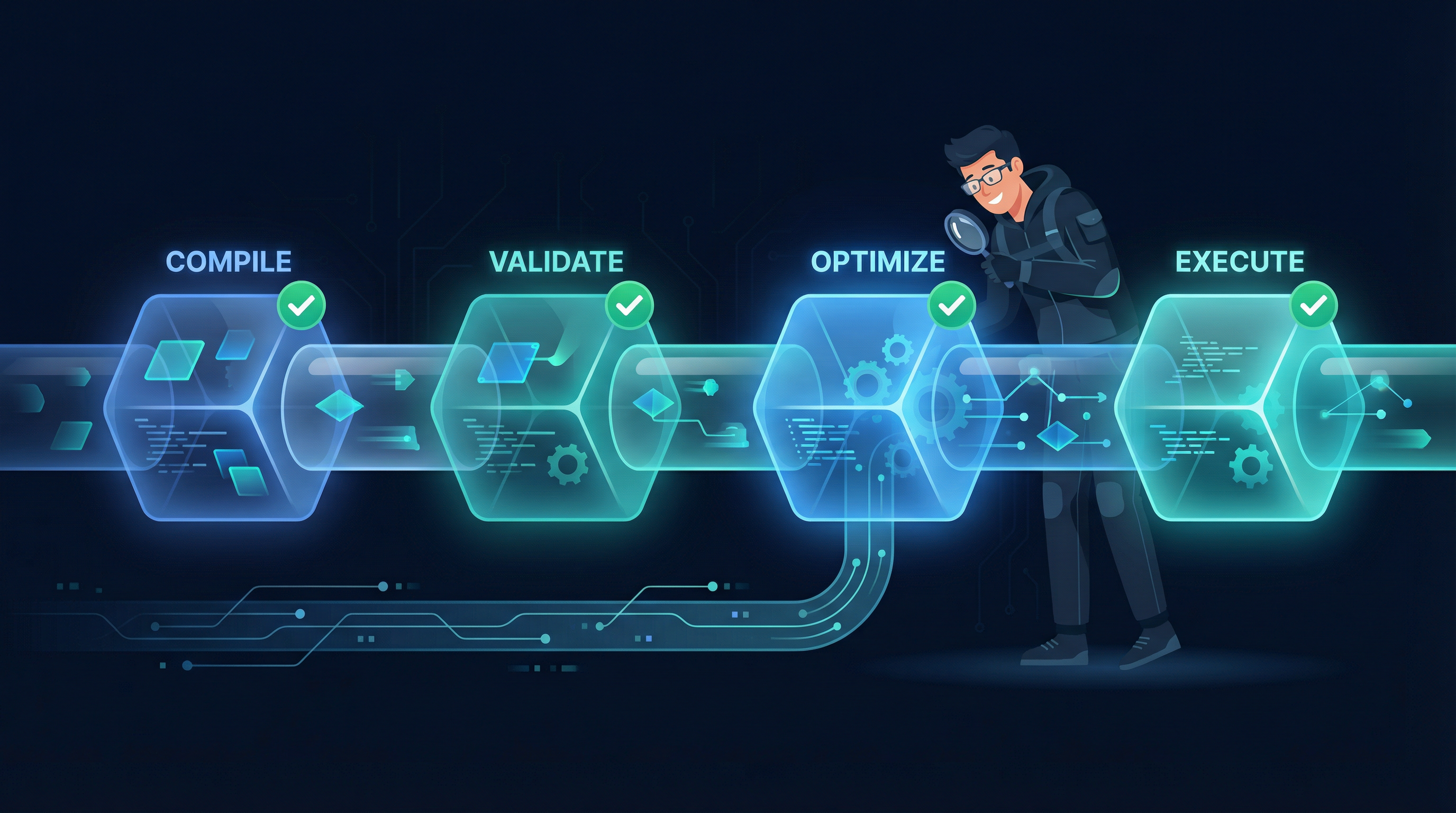
Inspired by DBMS query engines, the Workflow Engine processes DAGs through four phases: Compilation, Validation (static analysis), Optimization (Kahn's Algorithm for parallel scheduling), and Execution.
DeepEye adopts a workflow-centric architecture that bridges flexible LLM reasoning and rigid data engineering, structured into four vertically integrated layers.
It stores schema knowledge and successful workflows — reusing experience, retrieving the right context, and becoming smarter with continued use.


We are not only thinking about intelligence. We are also thinking about security, control, and enterprise use.
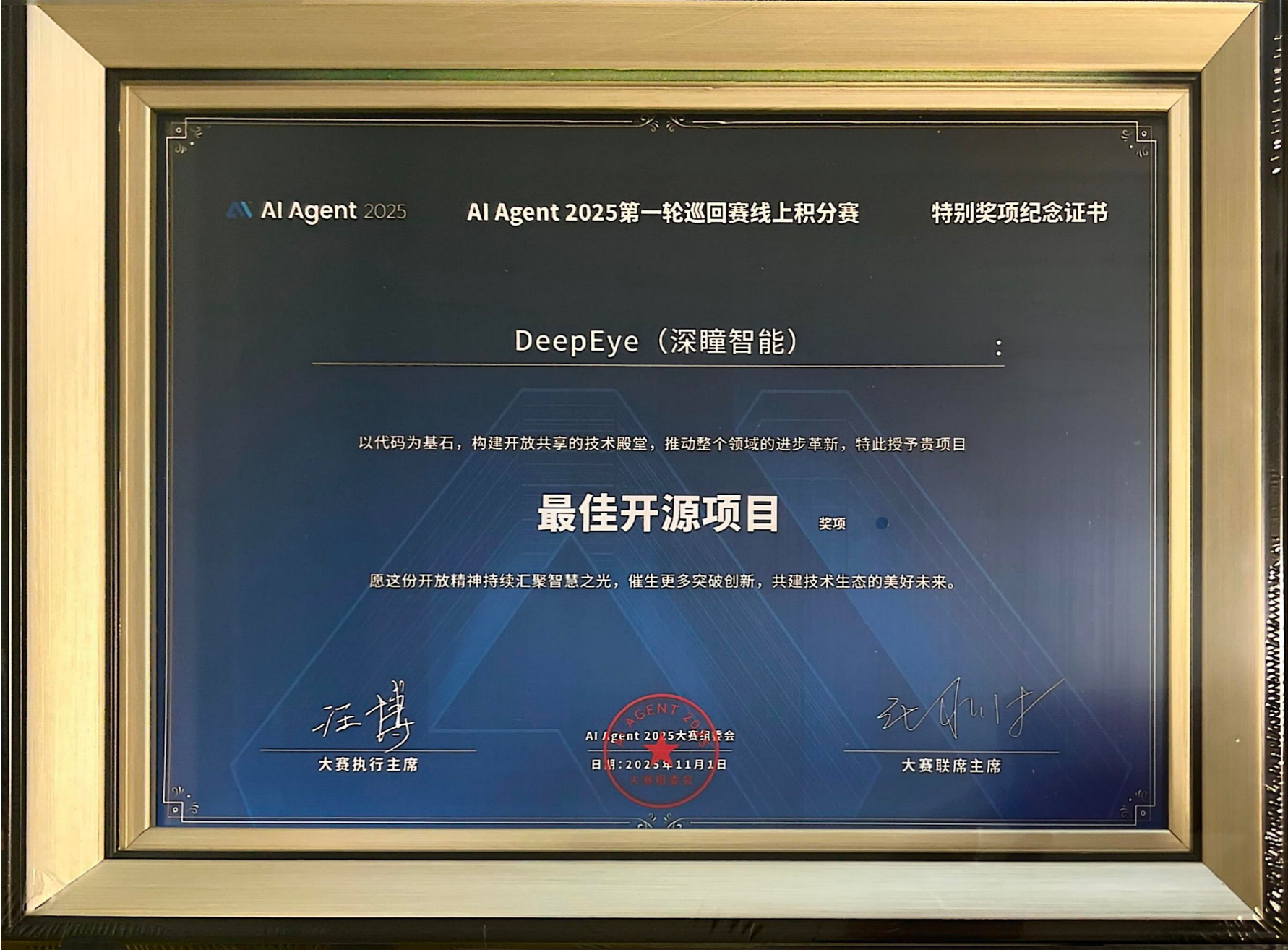
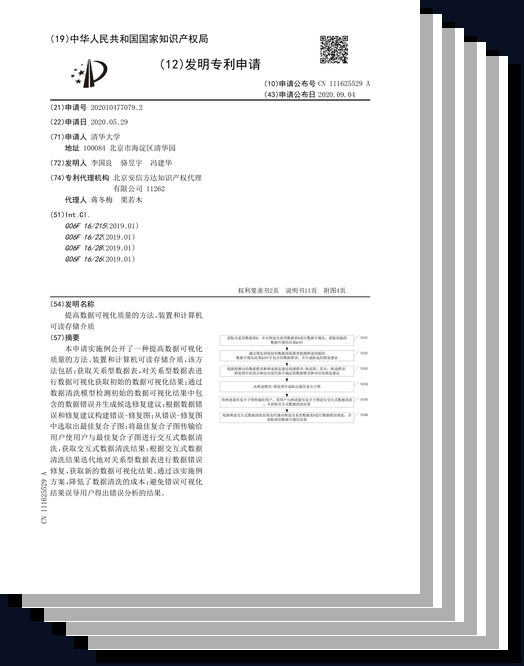
DeepEye has received strong external recognition — through awards, patents, and academic publication.